Tracing Incentive Pathways from Zero-Cost Mobile Entry to Real Prize Conversion in Social Gaming Ecosystems
Written by Paul Lorenz · May 18, 2026
Tracing Incentive Pathways from Zero-Cost Mobile Entry to Real Prize Conversion in Social Gaming Ecosystems
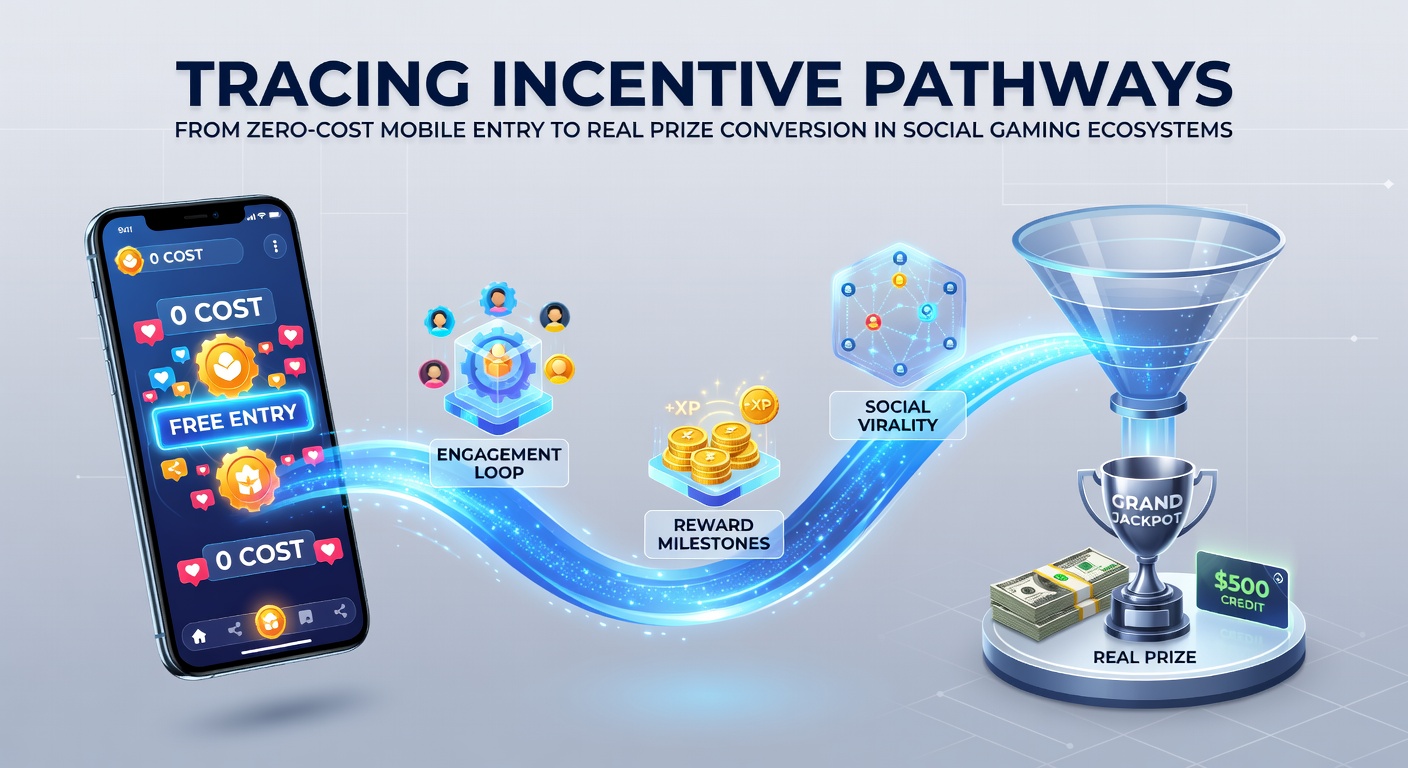
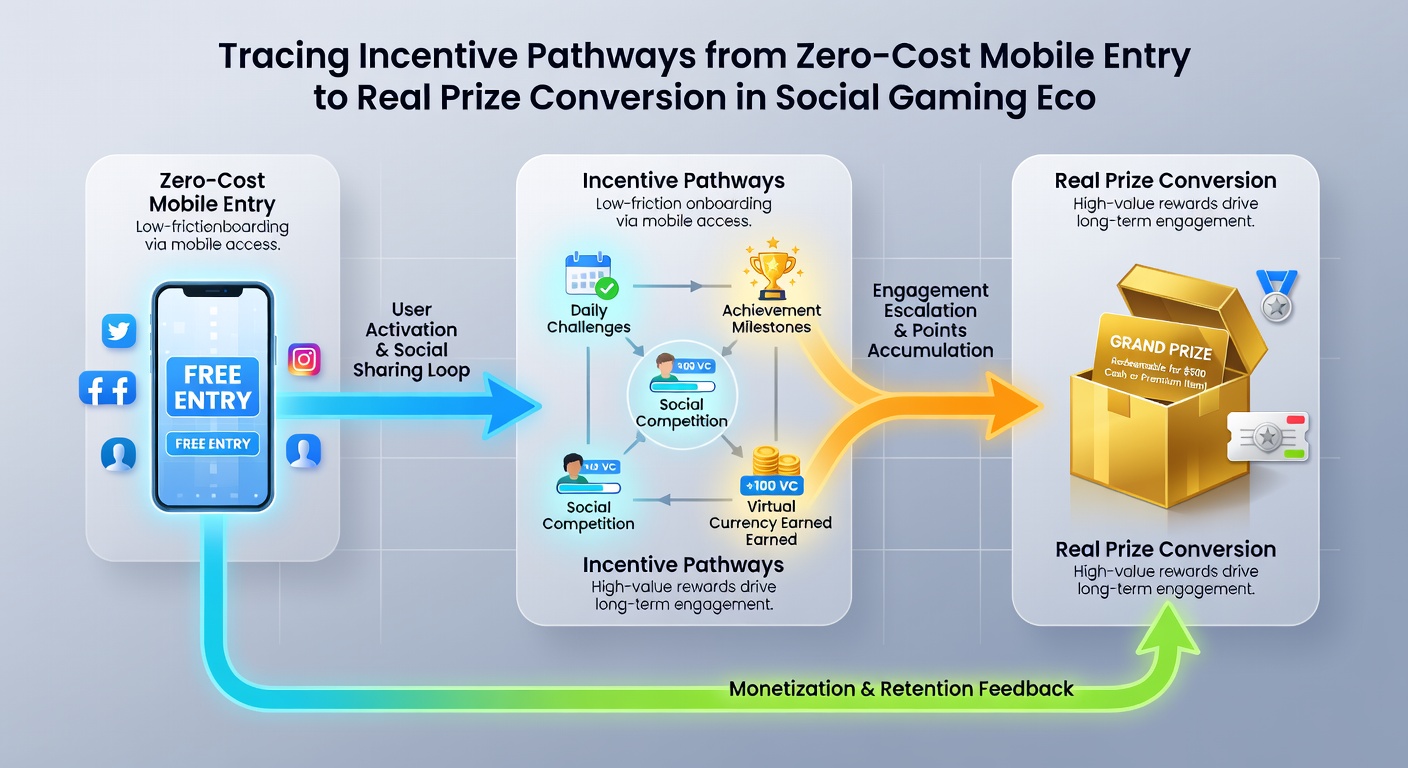
Users enter social gaming ecosystems through zero-cost mobile pathways that rely on free registration, daily login rewards, and referral systems, and these entry points feed into structured incentive loops where virtual currencies accumulate before conversion to real prizes occurs under specific regulatory frameworks. Platforms structure these sequences so that initial free access generates engagement metrics while compliance rules govern any transition to monetary rewards, and data from industry reports shows steady growth in such models across multiple regions.
Mobile Entry Mechanisms and Initial Incentive Structures
Zero-cost mobile entry begins when a user downloads an application and completes a basic account setup that requires no deposit, after which the system distributes starting virtual credits or tickets that allow participation in games such as slots or table variants. These credits operate within closed loops where play generates additional rewards through time-based bonuses or streak achievements, and the process connects directly to broader retention strategies that platforms refine each season. In May 2026 several operators introduced enhanced onboarding sequences that integrated push notifications with progressive free coin packages, creating measurable increases in session length according to aggregated platform analytics.
Referral programs extend the entry pathway by granting both the new user and the referrer additional free resources upon successful registration and first login, and this mechanism multiplies user acquisition without direct financial outlay from the platform. Observers note that such systems maintain engagement because the rewards scale with continued activity, yet conversion eligibility remains tied to separate sweepstakes or promotional rules that distinguish play credits from prize-eligible tokens.
Accumulation Loops and Progression Tracking
Once inside the ecosystem, users follow accumulation loops where repeated play on free or low-stakes modes builds virtual balances that unlock higher-tier games or bonus rounds, and these loops incorporate daily login calendars, level-up milestones, and event-specific multipliers. Research indicates that platforms track these progressions through internal dashboards that measure time spent, tasks completed, and social interactions, all of which feed algorithms that adjust future incentive offers to individual patterns.
Conversion from accumulated credits to real prizes requires users to exchange designated sweepstakes or promotional tokens under predefined redemption protocols, and these protocols typically demand identity verification plus adherence to regional legal standards. Data shows that successful redemptions often occur after users reach minimum thresholds established to comply with sweepstakes legislation, while the underlying game mechanics remain consistent between free and prize pathways.
Regulatory Frameworks Governing Prize Conversion
Legal requirements shape every stage after initial entry because jurisdictions classify social gaming activities differently depending on whether real-money prizes become available, and operators must maintain separate accounting for promotional play versus prize-eligible tokens. According to information published by the Federal Trade Commission, sweepstakes promotions must clearly disclose entry methods, odds, and prize details to avoid deceptive practices, which directly influences how mobile apps present conversion options to users.
Additional oversight comes from bodies such as the Australian Competition and Consumer Commission, which monitors promotional gaming offers for fairness in advertising and redemption processes across digital platforms. These rules require transparent timelines for prize delivery and prohibit any suggestion that free play guarantees monetary outcomes, thereby preserving the distinction between entertainment credits and convertible assets.
Technological Integration and User Journey Data
Modern platforms employ backend systems that log every interaction from the first free login onward, enabling precise mapping of incentive pathways and identification of drop-off points before conversion. Analysts review these datasets to refine reward schedules, and findings from academic studies on digital engagement patterns reveal correlations between consistent free-play streaks and higher eventual redemption rates when users remain within legal guidelines.
Security layers including device fingerprinting and two-factor authentication protect both the accumulation phase and the final prize transfer, reducing fraud while preserving user convenience on mobile devices. In May 2026 updates to several major applications incorporated biometric login options that streamlined verification steps required for redemption requests.
Conclusion
Zero-cost mobile entry funnels users into layered incentive structures that culminate in regulated prize conversion when specific conditions are met, and the entire sequence operates under overlapping technological, economic, and legal controls. Continued refinement of these pathways depends on accurate tracking of user behavior alongside compliance with disclosure standards from multiple regulatory sources, ensuring that free access remains distinct from monetary reward mechanisms across social gaming ecosystems.