The Architecture of Incentive Layers in Smartphone-Based Social Casino Platforms
Written by Frankie Schwarz · May 28, 2026
The Architecture of Incentive Layers in Smartphone-Based Social Casino Platforms
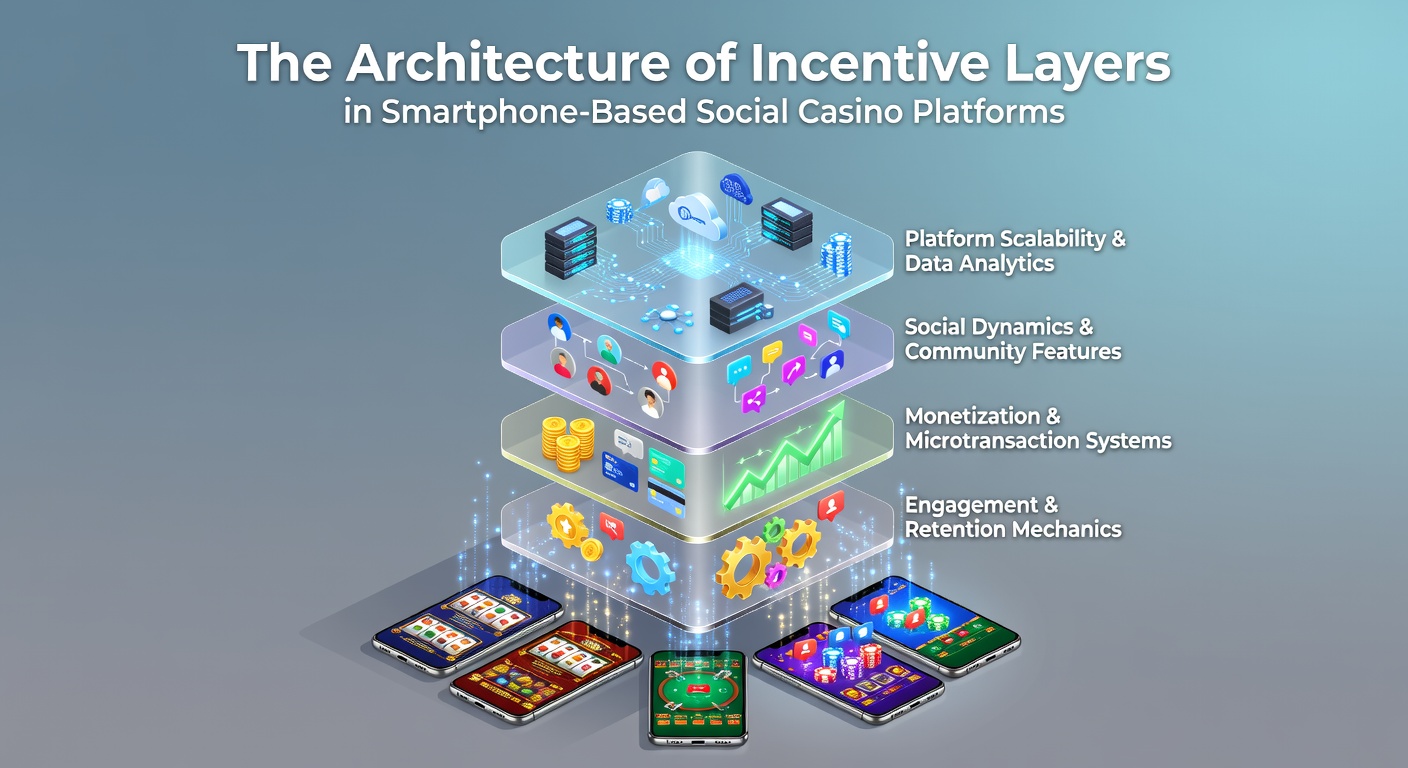
Smartphone-based social casino platforms organize their reward systems through distinct incentive layers that guide users from initial access to potential prize redemptions, and these structures have grown more intricate as of May 2026 with expanded mobile user bases across multiple regions. Data from industry reports shows that platforms typically build these layers to encourage repeated engagement while complying with sweepstakes regulations in various jurisdictions.
Core Components of the Incentive Architecture
Researchers who examined mobile social gaming ecosystems found that the foundational layer often starts with no-cost entry points such as daily login rewards and free coin bundles distributed through app notifications, whereas subsequent layers introduce progression mechanics like streak bonuses and level-up multipliers that build on user activity patterns. This setup allows platforms to segment user interactions without direct monetary deposits in many cases, and figures from market analyses indicate that over 70 percent of active sessions in leading apps involve these base incentives.
Observers note how the mid-tier layers integrate social features with gameplay rewards, including referral credits and community challenge payouts, while platforms use algorithmic adjustments to scale these offers based on individual play frequency. Studies from academic sources on digital entertainment reveal that such layering reduces churn rates by creating perceived value through cumulative progress tracking, and one analysis of North American apps highlighted connections between these mid-layers and extended session durations averaging 25 minutes longer than non-layered systems.
Technical Integration and Data Flows
Engineers design the upper incentive layers around redemption pathways that convert virtual currencies into tangible prizes through sweepstakes models, and these often rely on real-time data synchronization between user accounts and backend servers to track eligibility across devices. What's interesting is how mobile platforms embed these layers within unified apps that pull from centralized databases, allowing seamless transitions from bonus accumulation to verification processes required by regulatory standards.
According to reports issued by iGaming Ontario, platforms operating in Canadian markets must maintain clear separations between promotional currencies and redeemable entries to meet compliance thresholds, whereas similar frameworks in Australian jurisdictions emphasize transparent disclosure of odds and conversion rates within the same layered structures. This regulatory alignment influences how developers architect the systems, with built-in audit logs that record each layer's interactions for oversight purposes.
Progression Mechanics Across Layers
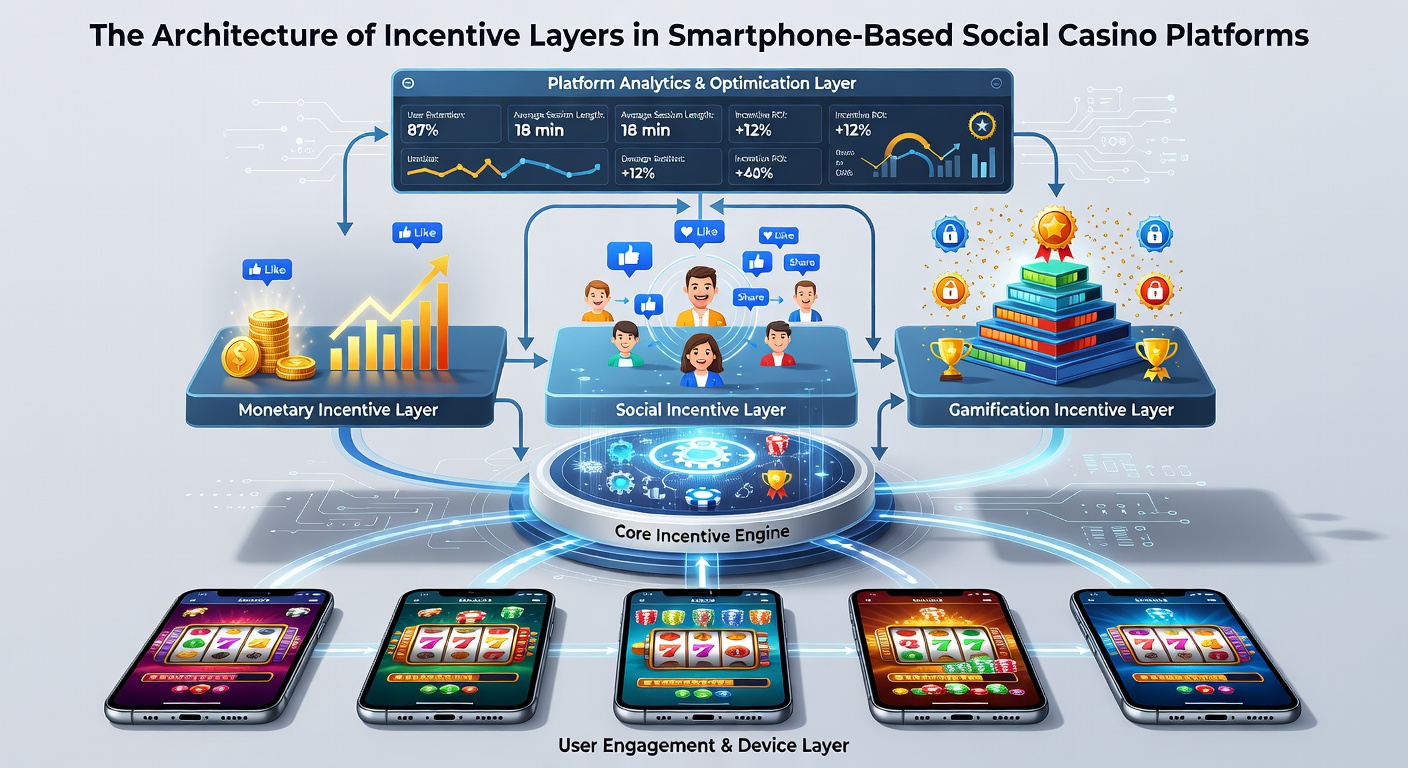
People who've analyzed app data discover that VIP-style tiers form the top incentive layer in many smartphone social casinos, granting users access to exclusive events and accelerated redemption options once they accumulate sufficient activity metrics, and these tiers often connect back to lower layers through personalized offers generated from behavioral data. Evidence from trade group publications shows that such systems increased user retention metrics by notable margins in tested deployments during early 2026.
But here's the thing: the connections between layers depend on precise coding that prevents overlap or exploitation, with developers incorporating thresholds and cooldown periods to maintain balance across the incentive stack. Research indicates that platforms using integrated APIs for these connections achieve faster updates to reward structures, adapting to seasonal events or regional preferences without disrupting ongoing user progress.
Regional Variations in Layer Design
Those who've studied global implementations observe differences in how European platforms emphasize privacy-compliant data handling within incentive layers compared to approaches in other markets, and this stems from varying legal requirements that shape the technical boundaries of each system. Data shows that apps targeting multiple regions often deploy modular layer designs that can be toggled based on user location to ensure adherence to local rules.
Turns out the architecture supports scalability through cloud-based services that handle high volumes of concurrent users, allowing incentive layers to process millions of daily transactions while logging details for reporting needs. Industry organizations like the European Gaming and Betting Association have documented these technical standards in recent overviews, highlighting their role in sustaining platform operations amid growing mobile adoption.
Conclusion
The layered incentive architecture in smartphone-based social casino platforms continues to evolve with advancements in mobile technology and regulatory updates as of May 2026, creating interconnected systems that manage everything from entry-level rewards to advanced redemptions. Observers note that understanding these structures provides insight into how platforms maintain engagement across diverse user groups while operating within established frameworks.